
You Focus on Recovery,
We’ll Focus on the Fight
We’ll Focus on the Fight



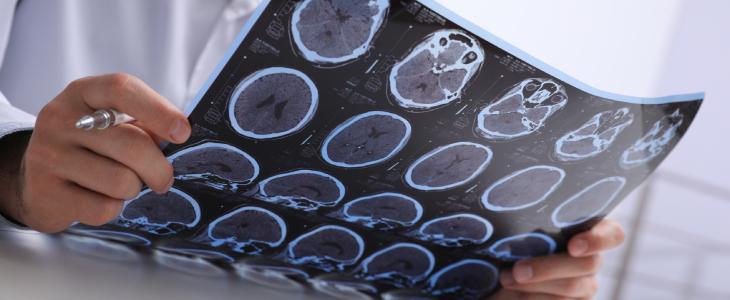
Traumatic brain injuries (TBIs) are “invisible” injuries that can change lives forever. Brain injuries happen to millions of victims every year. Over fifty thousand brain injuries a year result in death, while tens of thousands more result in disabilities that will affect the victim for the rest of his or her life. Whether you’re involved in a motor vehicle crash on I-696 or a slip & fall outside Meijer, brain injuries can happen to anyone at anytime. While these are not visible injuries, they can be equally, if not more devastating than a fractured leg or herniated disc. This is why it is important to consult with a dedicated brain injury lawyer following an accident in Farmington Hills, Metro Detroit, or anywhere in Michigan.
Closed head injuries and concussions (also TBIs), can occur in a myriad of ways in Michigan, such as:
According to Governor Whitmer, nationally and in Michigan, traumatic brain and acquired brain injuries are the leading causes of injury-related death and disability. These can be life-changing injuries for victims and their families, and if they occur as a result of another’s wrongdoing, you need the right attorney to fight for your rights.
A brain injury is exactly what the name implies: trauma to the head involving the brain. Traumatic Brain Injuries can happen via visible trauma to the head or what is commonly referred to as a “closed head injury.” A closed head injury often occurs in car accidents or in sports collisions when the head snaps back and forth, causing the brain to impact the skull.
Brain injuries differ from patient to patient. Some have difficulty with memory and concentration. Others lose their ability to taste, see, or smell. Some have difficulty controlling their emotions. Some struggle with speech, ambulation, and coordination. The very unfortunate may experience all of the above. This is why obtaining qualified specialists in TBI cases is essential.
In this regard, diagnosing TBIs, concussions, or frontal lobe injuries is not as easy as diagnosing a broken bone. While tests such as CT Scans and MRI studies may show edema (swelling) or hematomas (bruising) in the brain as evidence of a closed head injury or a concussion, those tests can be inconclusive, and additional studies may need to be performed by the appropriate specialists. Depending on the severity of the injury, specialists may include neurologists, neuropsychologists, vocational specialists, and life-care planners to properly diagnose and treat the injured victim.
Occupational Therapy, Cognitive Rehabilitation, Speech Therapy, Psychological and Neuropsychological therapies are all treatment options depending on the particular symptoms of a brain injury patient. Brain injuries can be devastating to the victims as well as their families. Because of the seriousness of these injuries and resulting damages, a good brain injury lawyer will fight to win significant compensation for his clients.
Michigan’s No-Fault system covers certain medical expenses and wage loss, but it does not fully compensate you for pain and suffering or the long-term impact on your quality of life. If another driver was at fault, you may be entitled to “third-party” compensation to cover these non-economic damages.
This is common. Brain injuries are often “invisible,” with symptoms like cognitive fatigue, memory loss, or irritability appearing weeks later. It is vital to see a neurologist immediately—even if you feel “fine”—to create a medical record that links your condition to the trauma.
There is no “average.” Settlement amounts depend heavily on the severity of the injury, the need for long-term life care, and the victim’s age and earning capacity. We build your case based on an individualized “Life Care Plan” to ensure we fight for what your future truly costs.
Calculating the true cost of a Traumatic Brain Injury (TBI) goes far beyond an initial Corewell Health emergency room bill; it requires accounting for a lifetime of “invisible” expenses that most insurance companies prefer to ignore. In Michigan, where No-Fault laws and third-party negligence claims intersect, a comprehensive valuation must include not only immediate neurosurgery and rehabilitation, but also the long-term reality of diminished earning capacity, home modifications, and specialized attendant care. At Davis Law Center, we utilize life-care planners and economic experts to quantify the profound impact a brain injury has on your quality of life, ensuring that your settlement reflects the actual financial, physical, and emotional toll of your recovery in Farmington Hills.
When we evaluate a TBI case in Farmington Hills, we categorize costs into three primary areas to ensure no future expense is left off the table:
Pain and Suffering: Compensation for the loss of “enjoyment of life,” including the inability to participate in hobbies or maintain family relationships (loss of consortium).
Lost Earning Capacity: If the injury prevents a return to a high-skill career, we calculate the total “lifetime” earnings lost, adjusted for inflation.
Vocational Retraining: Costs for schooling or training if the victim must pivot to a less physically or cognitively demanding career.
In 2020, Michigan moved away from a “one-size-fits-all” unlimited medical coverage No-Fault system. Today, when you are injured in a car accident in Farmington Hills, the medical care you receive is often dictated by the PIP (Personal Injury Protection) level selected on the insurance policy.
For brain injury survivors, these “caps” create a significant legal challenge:
The Funding Gap: A severe TBI can easily cost over $1,000,000 in the first few years of treatment. If the policy has a $250,000 or $500,000 cap, your medical funding could vanish before you even complete your initial rehabilitation.
Suing for “Excess” Medical Expenses: If your medical bills exceed your PIP cap, Michigan law allows you to sue the at-fault driver for the “excess.” We identify these shortfalls early to ensure we are pursuing the negligent party for every dollar your future care requires.
The 56-Hour Family Care Limit: One of the most devastating changes for TBI victims is the cap on “Attendant Care” (in-home nursing). Insurance companies are now generally only required to pay for 56 hours per week of care provided by friends or family members. If you require 24/7 supervision, we fight to secure professional care or negotiate contracts with the insurance company that exceed these arbitrary limits.
Legal Alert: If you were injured before July 2, 2020, your “Unlimited” benefits may be protected by recent Michigan Supreme Court rulings (like the Andary decision). If you were injured after that date, your rights depend entirely on the specific language of the policies involved. Do not let an insurance adjuster tell you your benefits are “capped” without having us review your case first.
The Davis Law Center has the resources to consult with economists and other financial experts to put an accurate price on your injuries. While it will never make up for your suffering, it can at least relieve the burden of paying out of pocket for expensive medical care. Traumatic brain injuries require an experienced attorney who understands the injury and how it will affect a person for the rest of their life. Because you only have one chance to get full compensation for an injury, we will make sure we understand what type of care you will need, how your life was impacted, and how it will affect your earnings potential and quality of life. This way, you can be sure that any settlement you accept will be enough for treatment that will last for the rest of your life.
If you have suffered a brain injury, closed head injury, or concussion as a result of the negligence of someone else, contact us or vist us at 30500 Northwestern Highway, Ste. 500, Farmington Hills, MI. We can help during this difficult time and maximize your recovery.
Davis Law Center: your trusted partner for personal injury accident cases. Serving Detroit, Farmington Hills, Southfield, Macomb County, Wayne County, Oakland County, and all of Michigan.
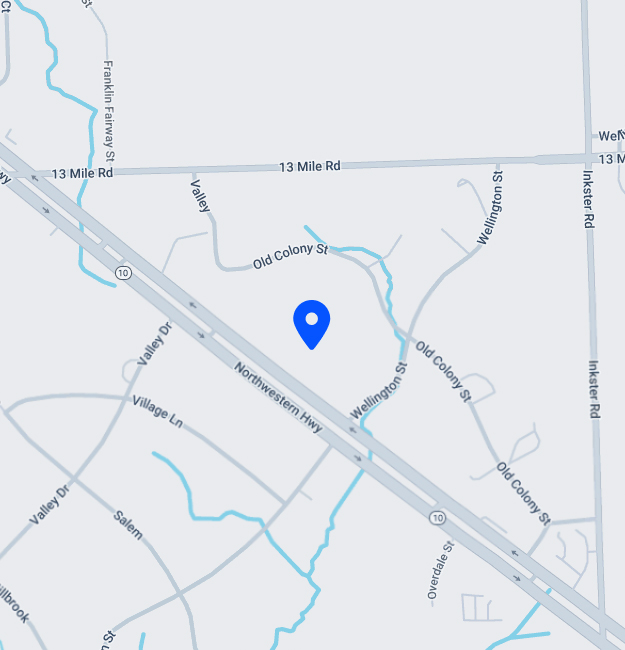
We are located in Farmington Hills, Michigan and serve clients throughout the metropolitan Detroit area, including Wayne, Oakland, Macomb, Livingston, Genesee and Washtenaw counties.


